
DBO FORTRESS

DBO’s outlook combines a long-term view of ownership with an interest in the people, services and resources that support everyday economic activity. Careful consideration, practical understanding and responsible decisions guide how the institution approaches opportunities across these areas.

David Ogamba

Director, DBO Fortress

David Ogamba

David Ogamba is the director of DBO Fortress. He is venturing into business with an interest in thoughtful ownership, technology and ideas that make everyday life simpler and more connected.

Community Initiatives

Under David’s leadership, the DBO Community Fund was developed to connect the institution’s long-term outlook with practical care and shared responsibility for the people and places around it. We work with communities to understand their needs, contribute support and strengthen the connections that help people thrive.

Our work brings people together around everyday wellbeing, dignity and opportunity. We listen to local priorities, share resources, and work alongside those who know their communities best. Through consistent involvement and respectful collaboration, we help build stronger foundations for lasting positive change.

Children, environment and everyday wellbeing

Our community work connects immediate care with the foundations of a better everyday life: children who feel supported, healthier shared spaces and an environment that can sustain them.

Learning materials and pencilsCHILDREN & CARE

Children’s home visits and learning support

We visit children’s homes, share time and activities, and support everyday needs through essentials and learning materials. We work with each home’s team so that visits fit its routines and priorities. Shared reading and creative activities help connect care with learning, while safeguarding, dignity and privacy guide how we take part.
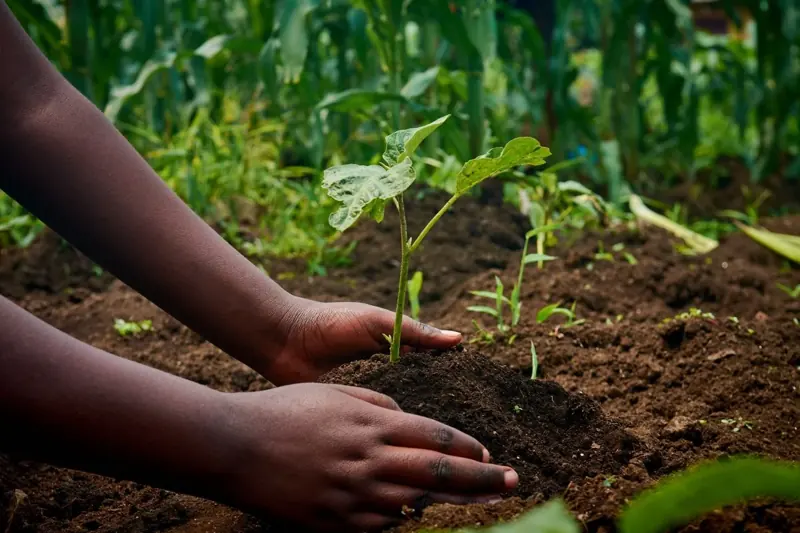
Young seedlings and hands tending soilTREES & THE ENVIRONMENT

Tree planting and environmental care

We take part in tree planting, care for seedlings and support local clean-ups. Planting is the beginning: suitable trees, water and continued attention help young plants become established. Local knowledge and shared responsibility guide the care that follows, connecting greener surroundings with community gardens and practical growing skills.

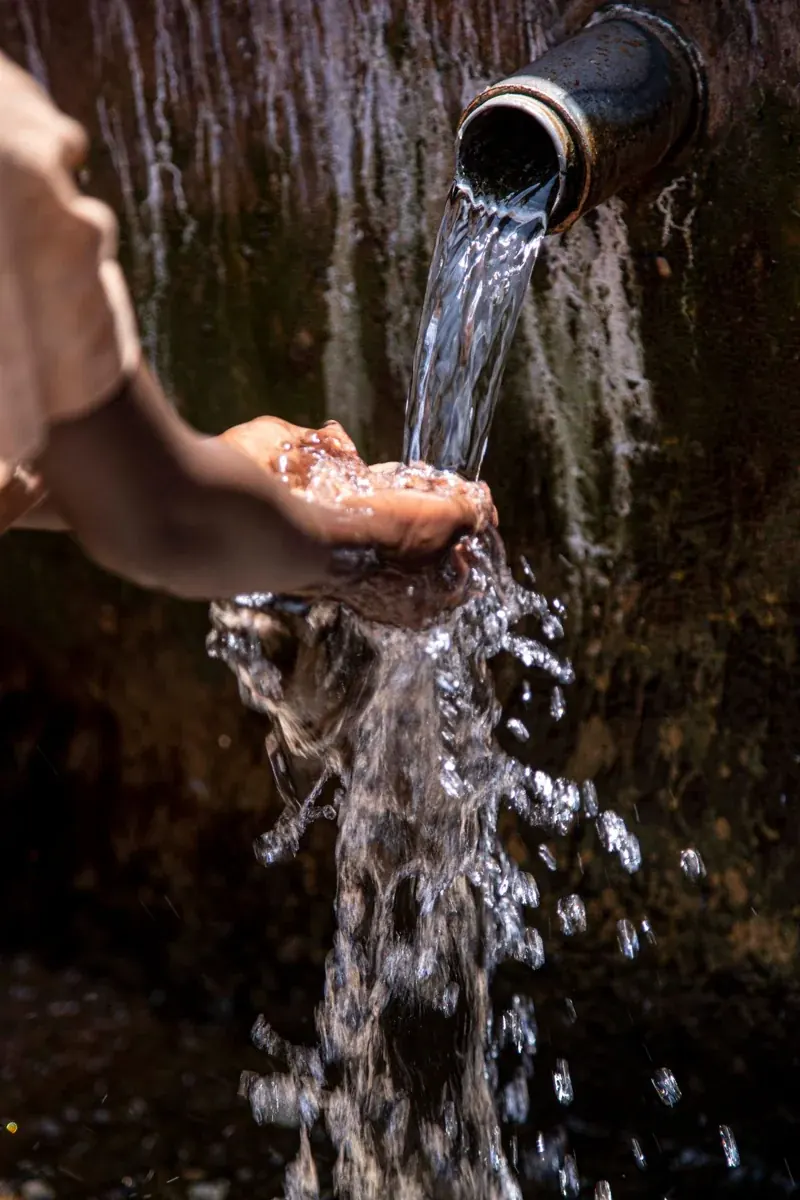
Clean water flowing from a tapWATER & SANITATION

Water, sanitation and hygiene

We support community efforts around clean water, hygiene and healthier shared spaces. Awareness, sanitation clean-ups and care for shared washing areas are shaped by local needs. We help with menstrual hygiene and access to care essentials, with dignity, suitable expertise and clear maintenance arrangements guiding our involvement.

Education, livelihoods and inclusive care

A child’s ability to learn is connected to a household’s access to food, clean water and steady support. Community care makes more sense when these needs are considered together.

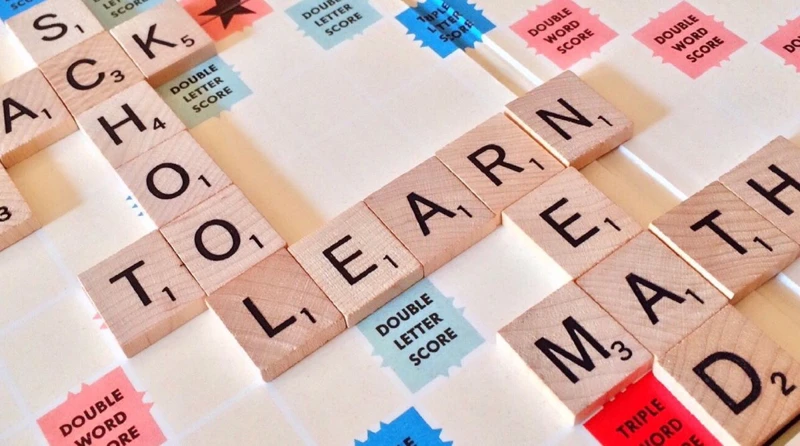
Letter tiles representing learning

Reading, mentoring and digital skills

We support reading, mentoring and practical guidance for young people moving from school towards further learning and work. We share learning materials, spend time reading together and help young people build confidence through regular encouragement.

We help with applications, basic digital skills and conversations about careers. Through these activities, we connect encouragement with useful skills and help young people take their next steps.

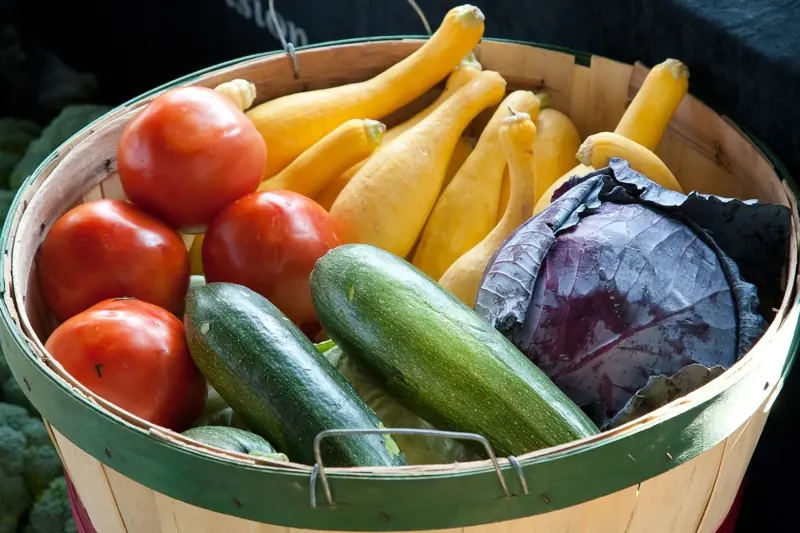
Fresh fruit and vegetables

Food security and personal dignity

We help households and care settings with food, nutrition and everyday essentials. Through community gardens and shared growing knowledge, we connect immediate support with practical ways to strengthen local resources.

We support access to menstrual hygiene essentials and informed conversations about personal care. We help address everyday barriers that interrupt education, with dignity and privacy guiding our involvement.

Hands resting together, representing care

Older people and disability inclusion

We visit older people, share companionship and help with everyday needs. We include people with disabilities and the people who care for them in community activities, paying attention to access, comfort and participation.

We listen to the people involved and work with those who know the community. This helps us offer practical support that fits individual needs and strengthens the relationships people rely on.

We connect learning, food support and inclusive care through practical help and relationships that continue beyond a single visit.

Our approach to community work

Community work begins with the people who know their needs best. We listen to local priorities, spend time building relationships and focus on contributions that are useful in everyday life.

Our children’s home visits are guided by the teams responsible for care. Environmental activities extend beyond planting to looking after seedlings, while water and sanitation work centres on healthier shared spaces and practical habits.

We aim to make each contribution useful beyond a single visit. That means discussing what can realistically be supported, sharing responsibilities clearly and keeping in touch where continued involvement is appropriate. Local relationships help us learn what is working and where a different approach may be more useful.

Practical support can include time, learning materials, shared skills or help with everyday resources. We seek to work alongside existing efforts, building on the knowledge of care teams and community members rather than assuming the same response fits every setting.

Across these activities, respect, dignity and participation guide how we get involved.

People collaborating around a table

Partner with us

We welcome conversations with people, community groups and organisations who would like to learn more about our work or explore ways to contribute. Shared skills, local knowledge and thoughtful partnerships can help turn useful ideas into practical support.

You may have experience in education, growing and environmental care, healthier shared spaces or organising community activities. You may also have resources, time or a local connection that could support an existing effort. Tell us what interests you and where you think we could work together.

Start with a brief, non-confidential introduction. We can then discuss your ideas, availability and relevant local priorities. Any partnership or activity will depend on suitable arrangements with the people and teams involved.

This opens an email draft for you to review and send. Your details are not stored by this form.